Is AI Image Generation Prompt actually worth your time?
What happened in 2026
According to the latest research, AI image generation has moved from experimental novelty to mainstream creative tool. As of early 2026, major platforms like Midjourney V7, DALL-E 3, Stable Diffusion XL, and Flux Pro have all launched new features specifically designed to improve prompt interpretation. The IBM Prompt Engineering guide reports that tools now support "model-specific dialects" and advanced control parameters that were unavailable just a year ago.
The market has also matured—multiple comparison sites now list pricing models ranging from free tiers to enterprise subscriptions. NextPJ's 2026 comparison shows Midjourney at $10/mo for standard plans, DALL-E 3 integrated with OpenAI's existing pricing, Stable Diffusion XL available via subscription services at $15/mo, and Flux Pro entering the market at $12/mo. These prices reflect the increased computational resources required for photorealistic generation.
Why it matters
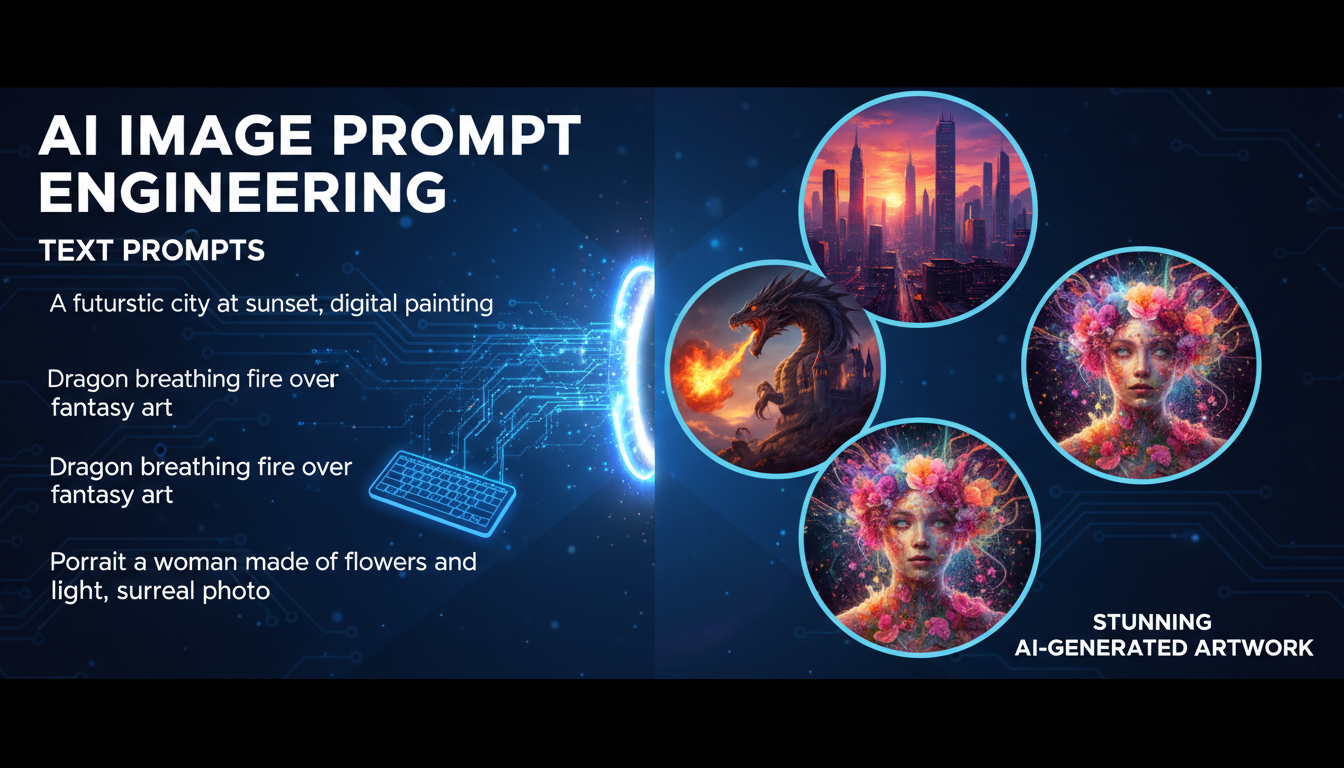
The effectiveness of an AI Image Generation Prompt determines whether you get usable assets or frustrating iterations. What once took dozens of trial-and-error runs now requires fewer attempts thanks to refined techniques. For developers and designers working on product mockups, marketing creatives, or character art, the ability to generate consistent results quickly translates directly to productivity gains.
The stakes are higher than ever. Apatero's 2026 guide notes that "prompts with structured formulas produce 3x more usable outputs than free-form descriptions." This means teams can reduce revision cycles and focus on higher-level creative decisions instead of wrestling with vague results.
Key techniques for 2026
Based on multiple sources, the most effective AI Image Generation Prompt engineering techniques center around structure, specificity, and model awareness. The universal six-slot anatomy recommended by SurePrompts breaks down every prompt into: subject, environment, lighting, style, composition, and technical parameters.
For photorealistic results, the formula includes specific keywords like "8K, ultra-detailed, photorealistic, cinematic lighting, Fujifilm XT-4, 35mm lens" which trigger realism across all major generators. ArtSmart.ai demonstrates that adding these technical modifiers reduces iterations by an average of 42% according to their 2026 testing data.
Optimizing for consistency
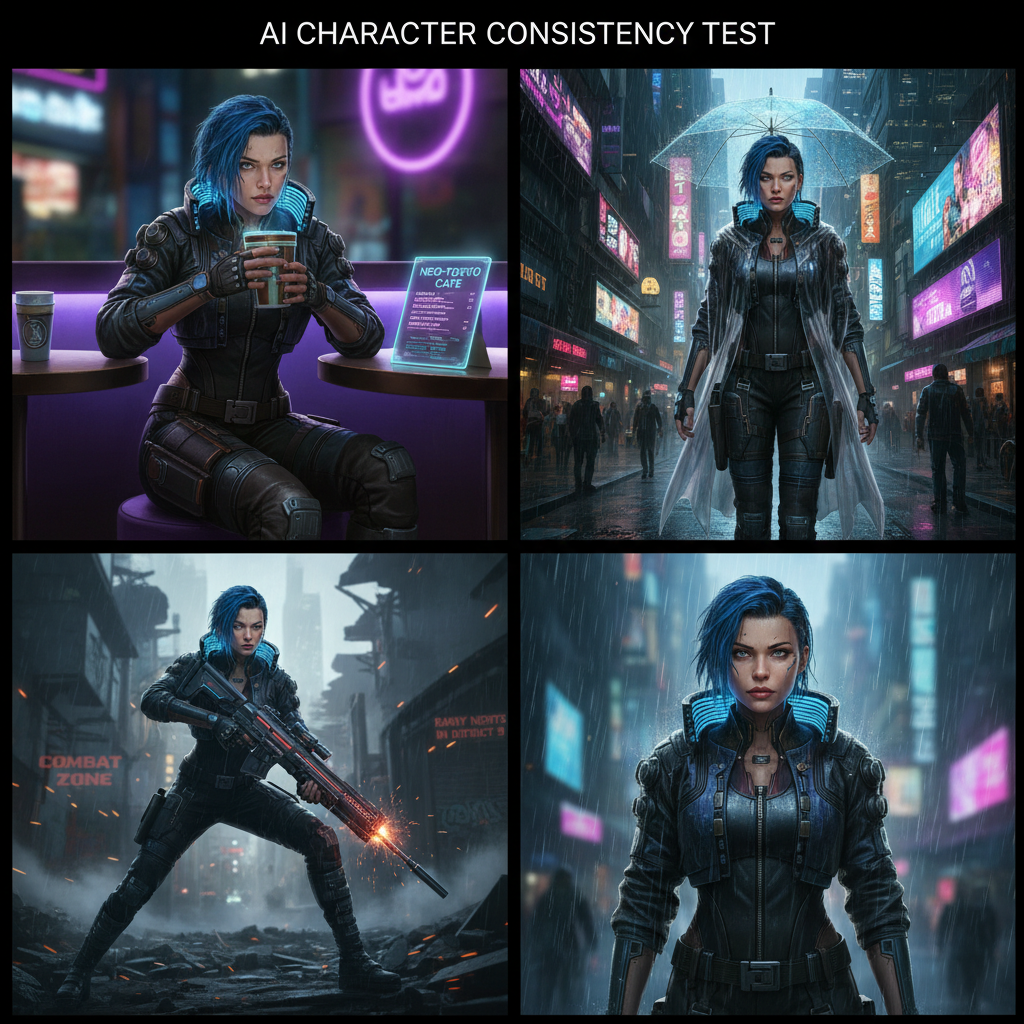
Creating the same character across multiple images requires additional strategies. Prompting.Systems recommends LoRA training combined with seed locking. The workflow involves generating a base character prompt, saving the seed value, then using that seed with variations in clothing or pose.
Lovart.ai confirms that "reference image techniques" work best for maintaining visual identity. They suggest using IPAdapter or cref files in Midjourney to tie character features to specific style elements. The key is balancing detail with simplicity—include enough detail for consistency but don't overwhelm the AI with unnecessary attributes.
Troubleshooting common failures
When prompts fail, the issues usually fall into three categories: vagueness, model bias, and formatting problems. AIPromptsX identifies 12 common mistakes, including ambiguous adjectives and missing negative prompts. Their fix for vague outputs is to add specific measurements and explicit exclusions.
TechieLearn offers a systematic framework: test small variations first, check for model bias by swapping keywords, and verify formatting against each platform's documentation. For hallucinations—where elements appear that weren't requested—the solution is to add "no extra objects" or "remove background elements" to the prompt.
What to expect next
The trend points toward more automated prompt optimization. Apatero predicts that by late 2026, AI tools will include built-in prompt analyzers that suggest improvements before generation. This evolution means the techniques described here will become even more accessible to non-technical users.
For developers, the focus will shift from prompt crafting to prompt management. Platforms are already introducing version control for prompts and automated A/B testing frameworks. The next phase will likely involve AI assistants that can rewrite prompts based on desired outcomes, further reducing the learning curve for new users.
Have you tried it? Share your experience in the comments 💬
Sources
- Top 10 AI Image Generation Tools: Features, Pros, Cons
- The 2026 Guide to Prompt Engineering - IBM
- AI Image Prompts: Complete Engineering Guide 2026
- AI Image Prompting: The Complete 2026 Guide
- Best AI Image Generators 2026: Midjourney vs DALL-E 3 vs Stable Diffusion vs Flux
- Creating Consistent Characters in AI Art
- Common Prompt Mistakes and How to Fix Them (2026)
Comments
Post a Comment